Remote burnout – Van Gogh investigation obsession – Creative collapse – Vet lab results at home
In May, I had wall-to-wall audits booked, but all of those audits were remote, so each day looked pretty much like this. Remote audits mean 6–8 hours of talking and staring at the screen. The biggest challenge of that schedule is that when I am working 8 hours on an audit each day, I then have to put together the audit report afterward… but I have another audit scheduled the next day. When that happens, I have audit report debt for two audits while the third audit is already running.
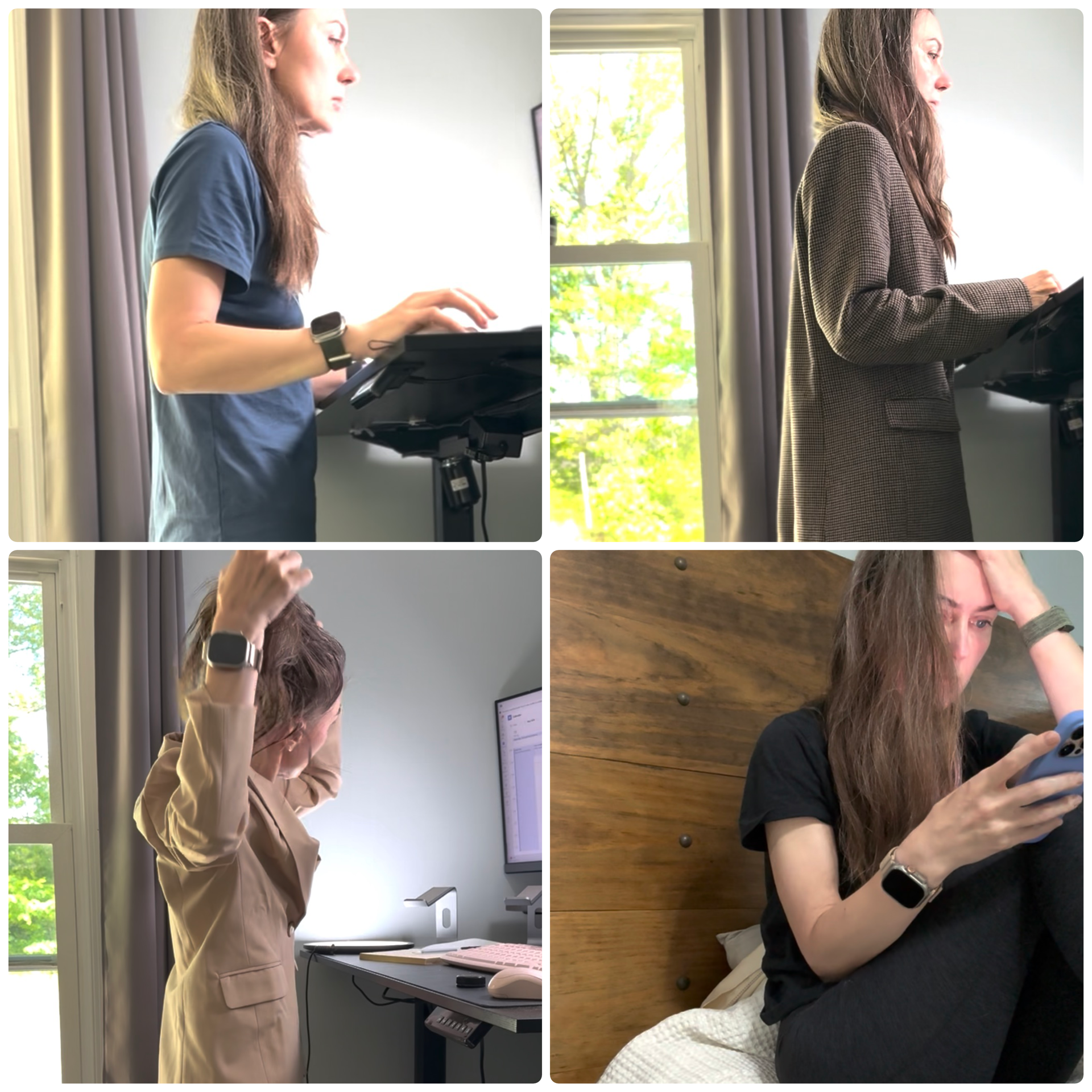
During breaks or lunchtime, I have to catch up on my other two full-time jobs (quote approval, ICT manager, hiring and training auditors, project management for various ICT certifications), which means emails pile up. By the end of the month, it looks like I was on vacation for the entire month, when in reality it was absolutely not a vacation at all. So the tension and anxiety increased with each week and with each hundreds of unread urgent emails. And at 6pm I just so tired that I want to sleep and that is all.
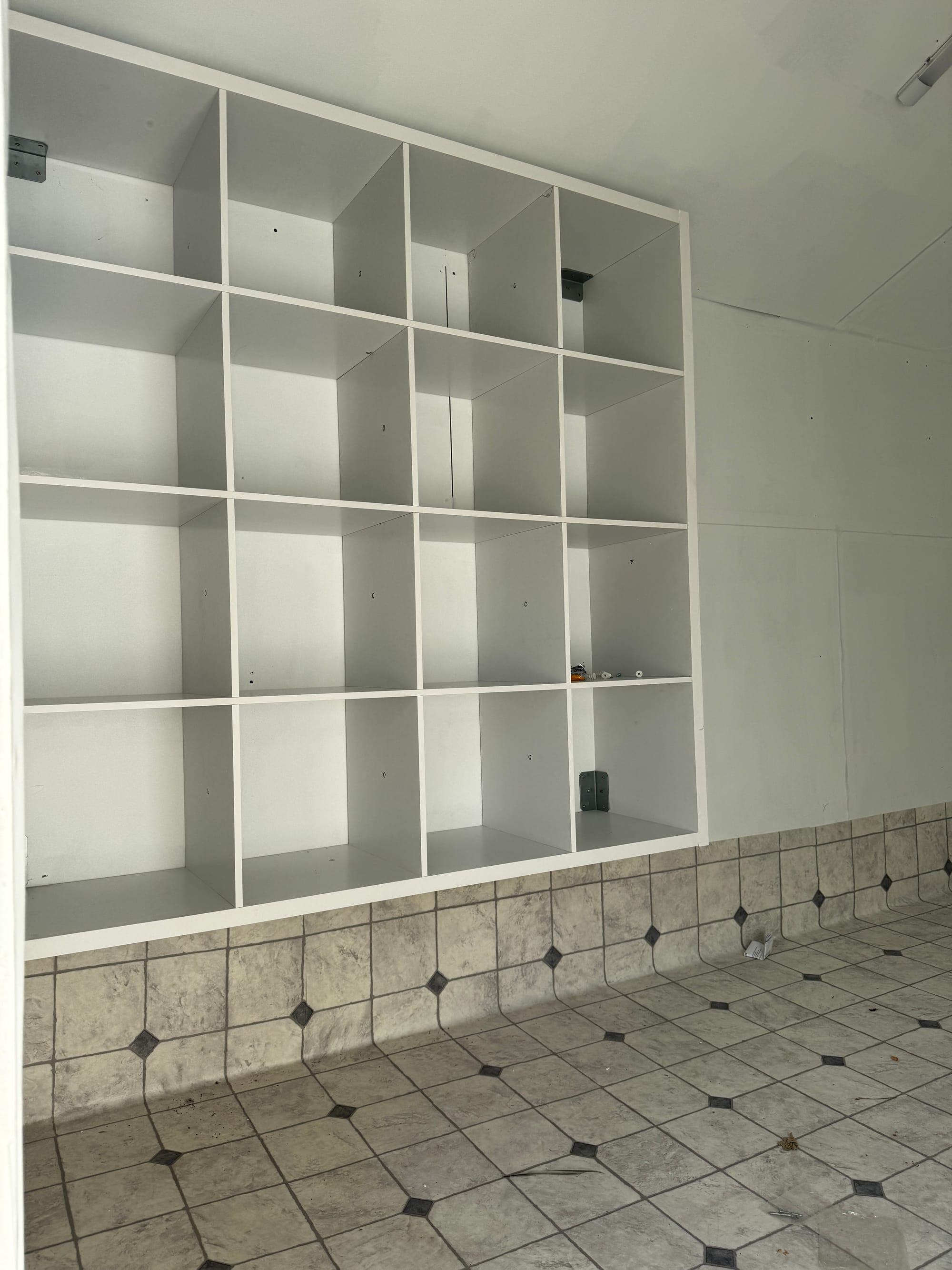
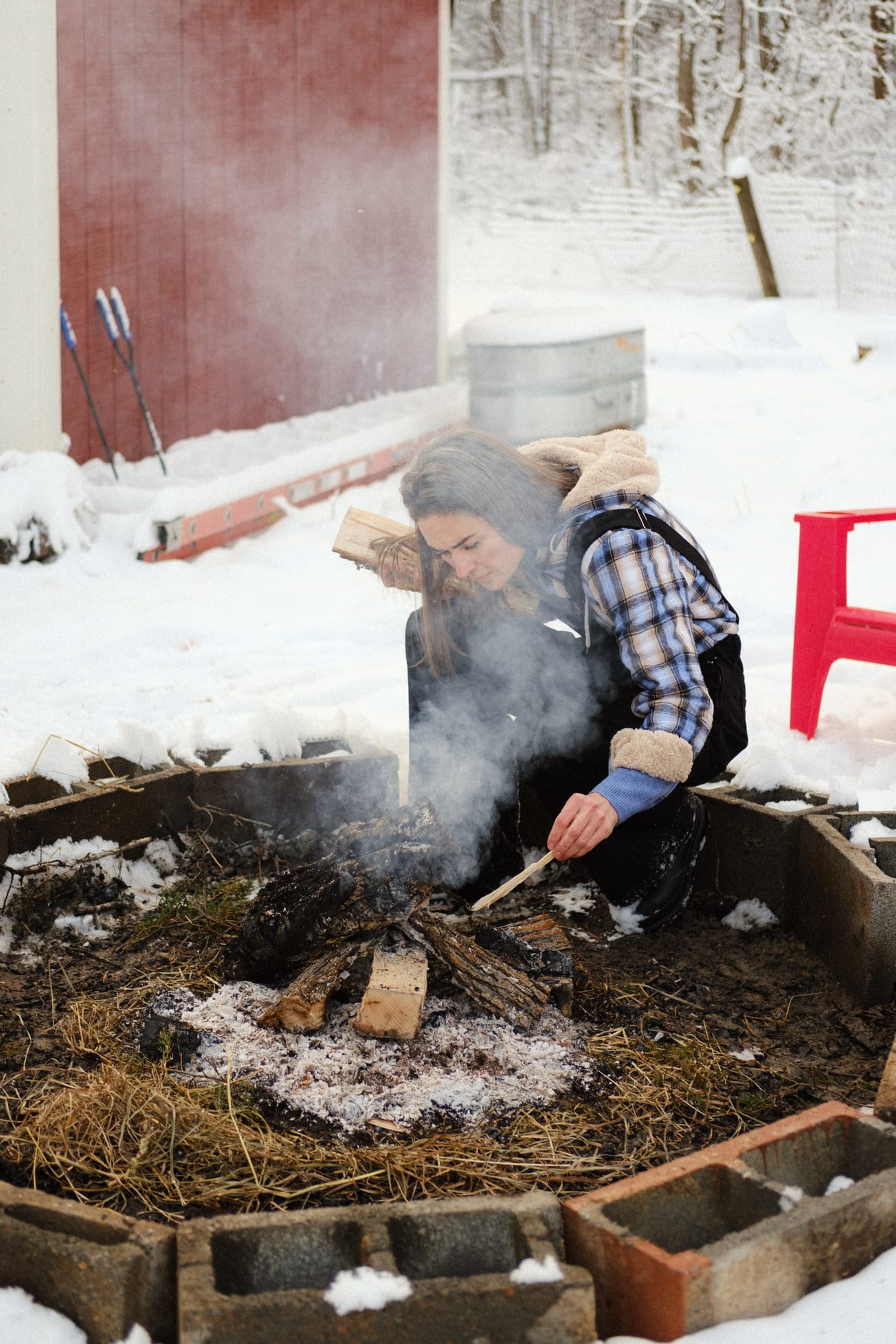
The good thing is that because I was working from home, the weather was perfect (not hot, not cold), the days were long and bright, and my workload frustration kicked in (and when that happens, I start building — remember?). So I finished most of the jobs in the chicken coop starting overcoming that after work apathy and after could stop building. How many “blyat” words I said, I will not be counting.
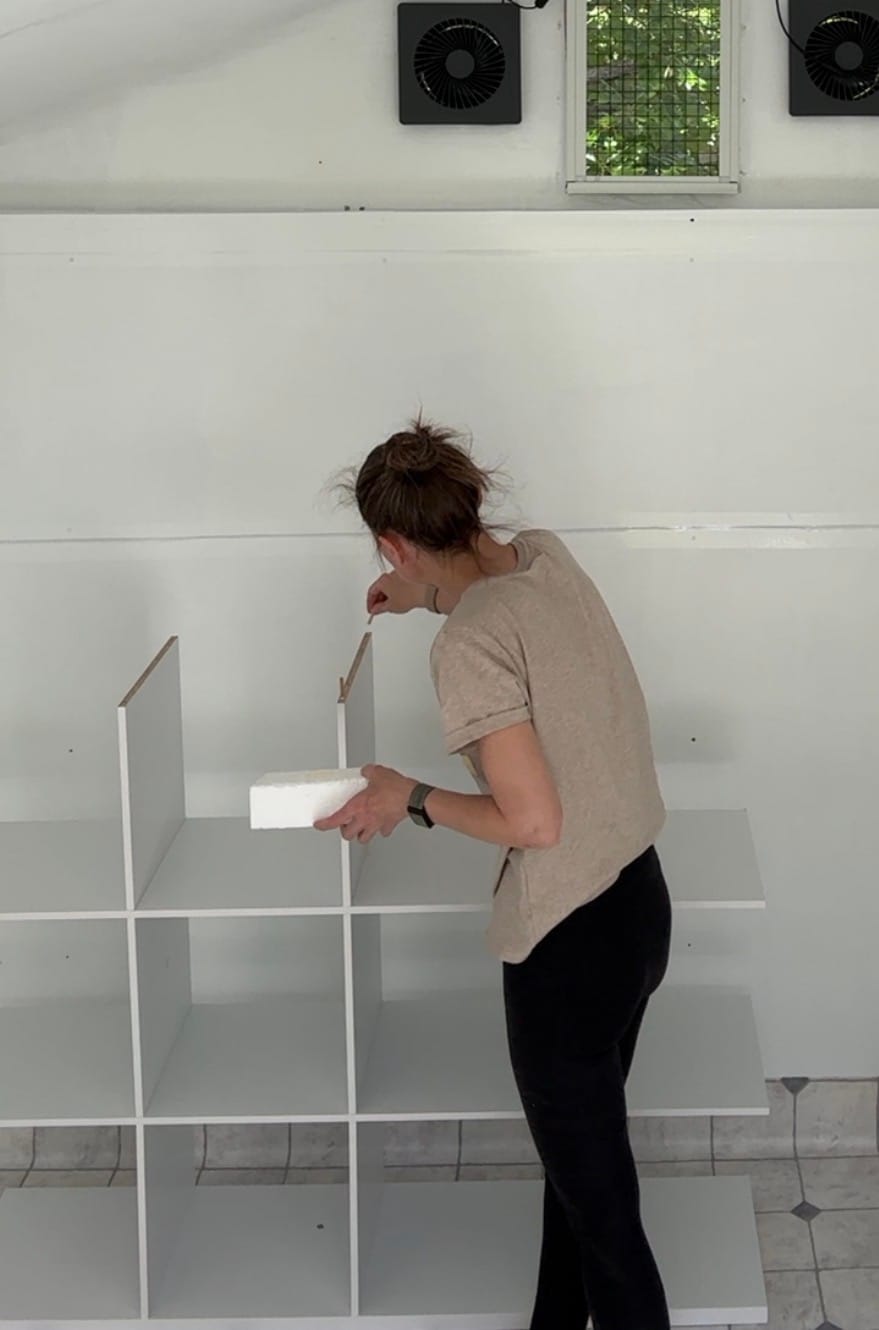
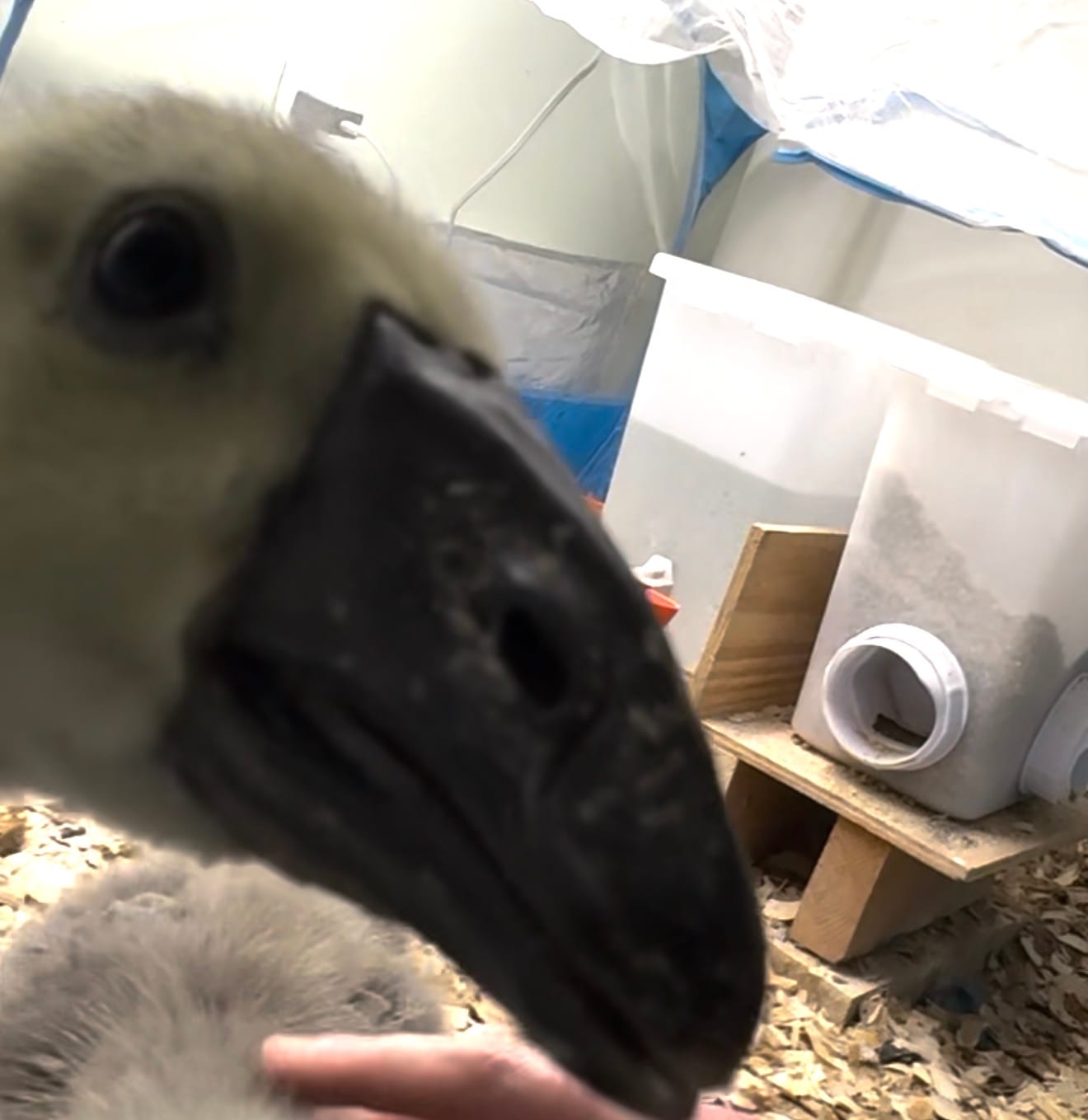
My motivation was strong because the goslings grew so fast and had to move somewhere to free up the garage. I saved an endless number of tortoises crossing roads in May and tried to get rid of Silkie roosters through Facebook Marketplace, but I declined two offers after becoming paranoid.
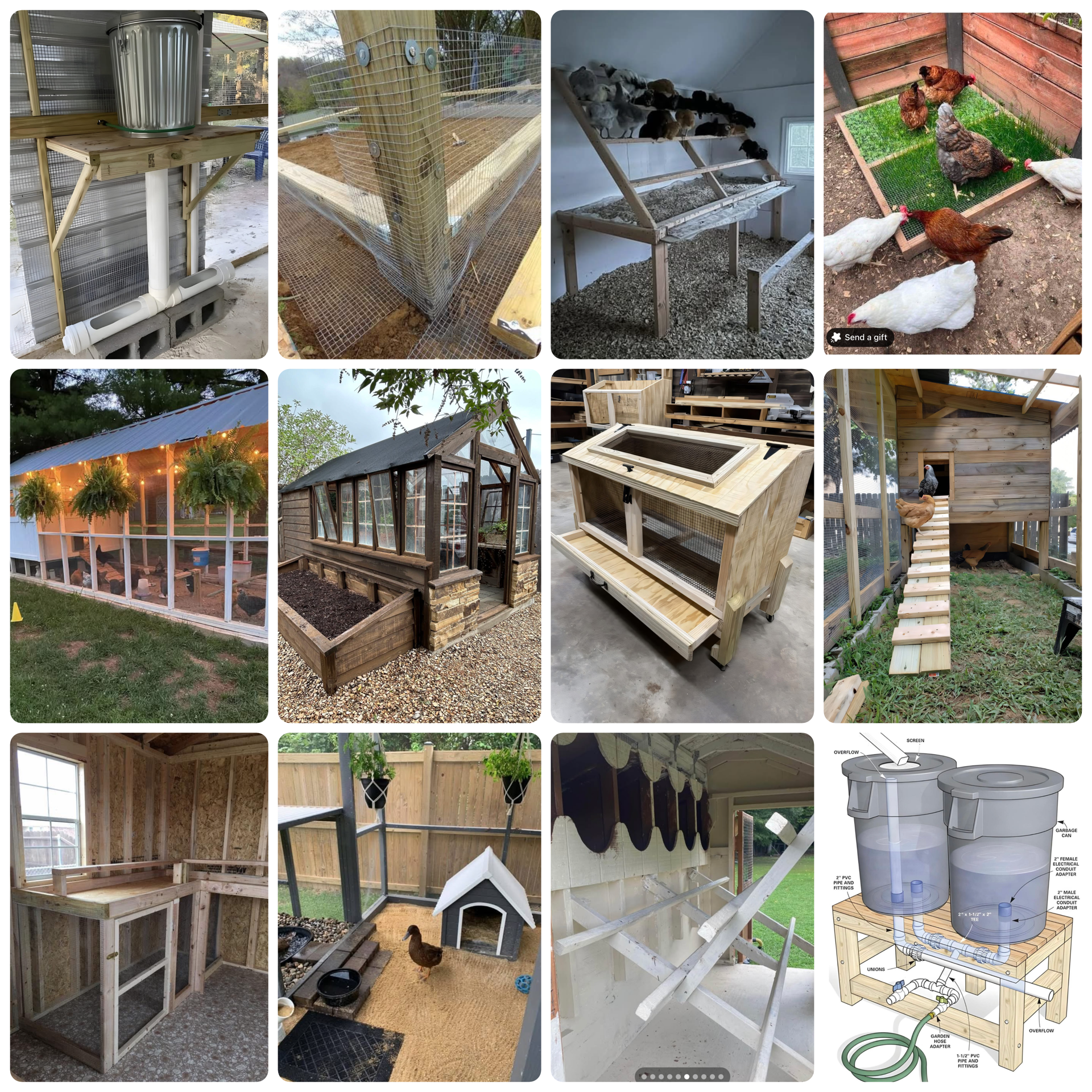
Designing and building any project — but especially a coop — requires a lot of thinking. I always have sketches, references, DIY ideas. My phone looks like it has a thousand screenshots of five hundred types of roost bars, with notes in Freeform explaining what I would change and why. It really makes me laugh when I read something like this in chicken communities:
“Look what an amazing coop my hubby built for me!”
And you look at it — a plywood-clean (meaning never really used), poorly designed, not really well-built… something...
The main point is this: any decision, any design should be data-based, risk-based… something-based. It’s impossible for one person to care for chickens while another builds the coop without knowing the processes, just for it to “look” like a chicken coop — not even decent, just 3 boxes-shaped.
Every detail in my chicken coop went through months and months of sketches, data collection, changes, testing theories on the old coop, and then a final decision. Nothing — and I emphasize this — NOTHING was built for appearances. Everything is highly functional, highly automated, and before investing my time and materials, I tested theories and looked at the data. Yes, there were many surprises, but the most shocking thing for me was realizing that people can have chickens for 20 years and never once think about how to make their own lives easier.
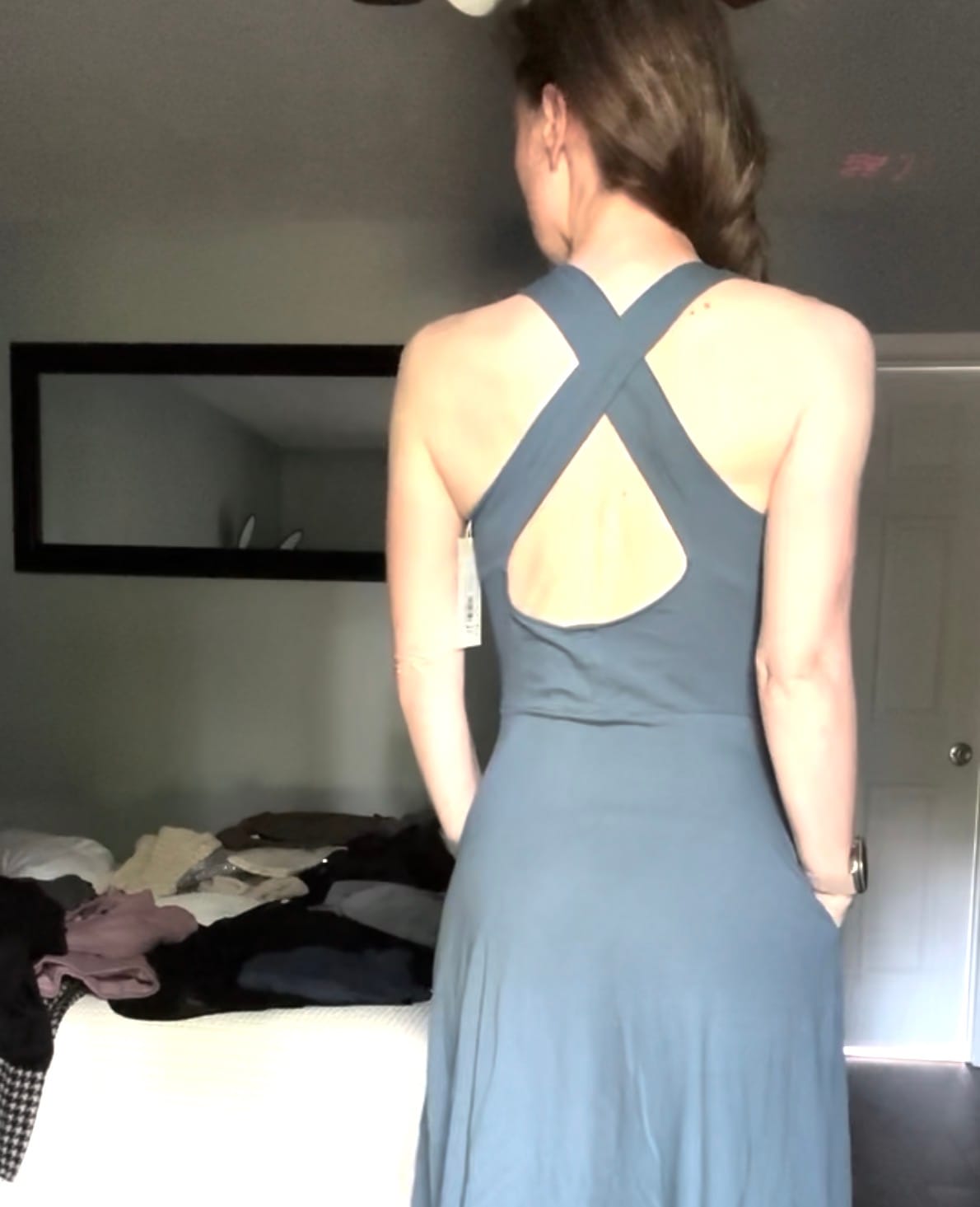
Anyway… May was useless for all my New Year’s resolutions. I didn’t do anything for my blogs. I didn’t do anything for my book writing. I went to one networking event and barely pushed myself to speak for two minutes because I was exhausted from constant talking. I didn’t go to the gym. I didn’t sort out my workload. I barely slept and ended the month with massive workload anxiety, overbooked audits, upcoming travel in June and July, and an unfinished coop — all of which added to my frustration. In May, I was ready to quit everything in one day, drop all the plates I was spinning, and shut the door behind me. Oh wait — I was working from home. It would have been my door. Damn. To make myself feel better, I bought a lot of summer dresses 🌝
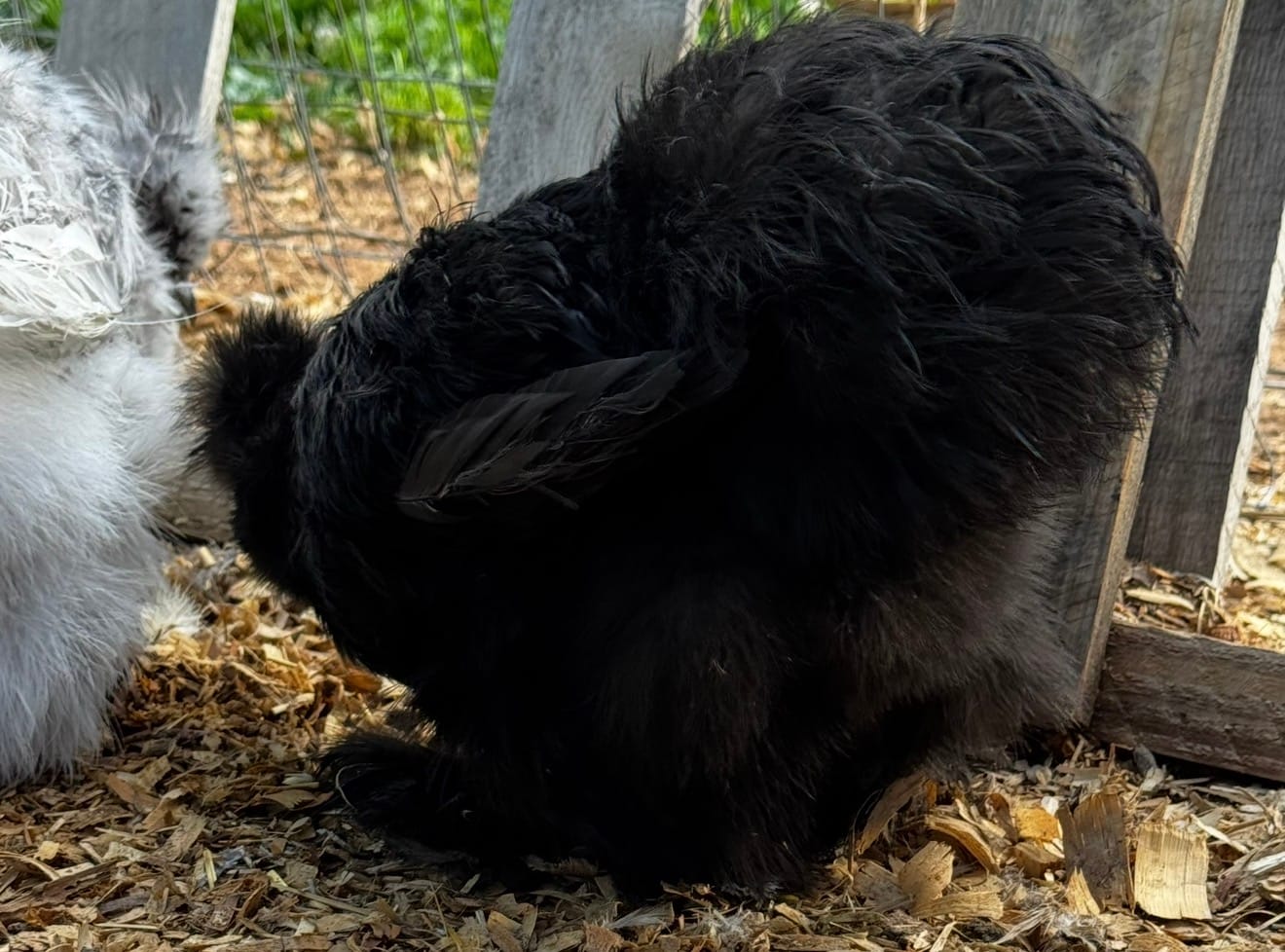
The Silkie hen desperately wanted chicks. They go broody all the time, and I made the mistake of putting curtains on the nests. She stayed broody for three whole months without eating or drinking properly. We had to kick her off the nest every time so she would eat. Eventually, I decided to let her hatch. And she did. One chick didn’t survive — it seemed she either squished it or killed it. Another was healthy and strong chick was adorable and hillarous! We call him Lightning McQueen (you can see him in my Instagram highlights) and he became a gorgeous Ayam Cemani rooster who is still attached to his mom and her new Silkie lover (aka stepdad) What a trio! The third egg had an open shell and a very slow hatch; when the chick finally emerged, it died with some kind of worms inside the egg.
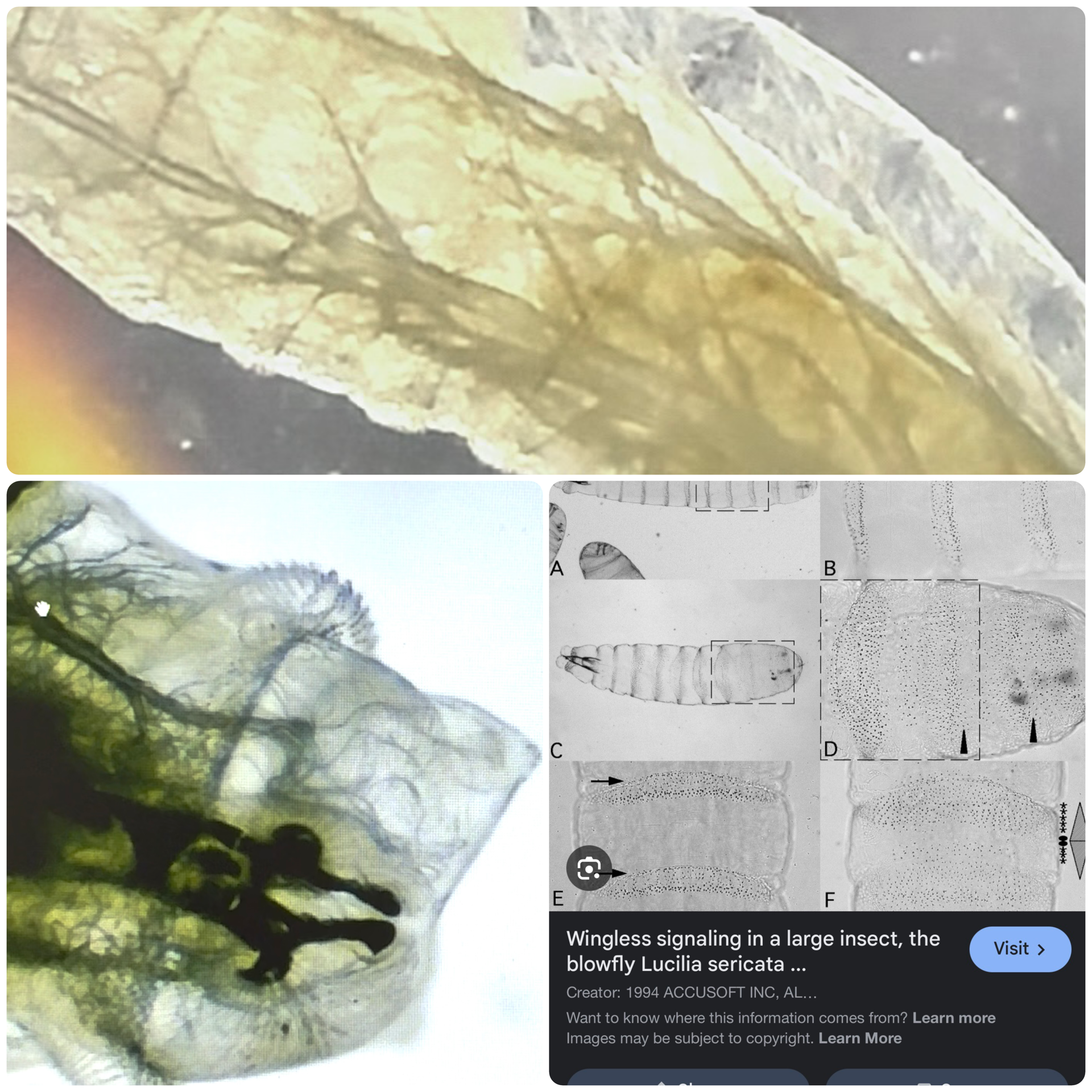
I started panicking, but we had professional equipment for fecal egg counts, so I checked under the microscope. It turned out to be Lucilia sericata — green bottle fly larvae infestation. I’m very glad I didn’t follow Facebook advice to treat the entire flock for worms and coccidiosis. Seriously, no one pays attention to data.
But look at that beauty.
I went to the Van Gogh exhibition, and it was sooo good. I’ll share a secret with you: I love going to the cinema, movies, and exhibitions alone and having a fully immersive experience with minimal talking. After that, I went down a rabbit hole investigating how dangerous paints and paint factories were in Van Gogh’s time, and whether his mental health issues and hallucinations could be explained by modern standards. And yes — totally possible. Like, ten times over. We might not even have those amazing works of art if industrial ecology standards or health and safety policies had existed back then.
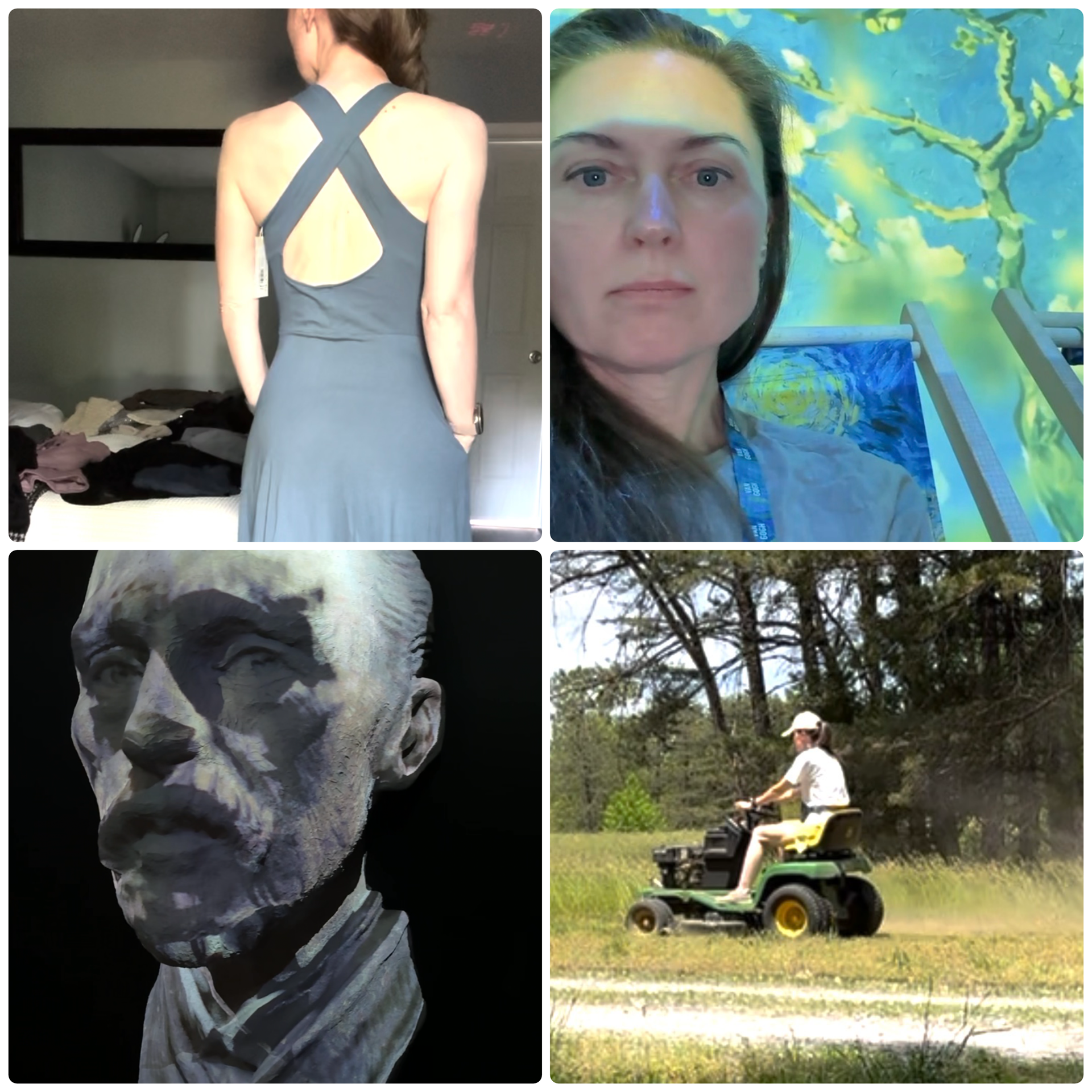
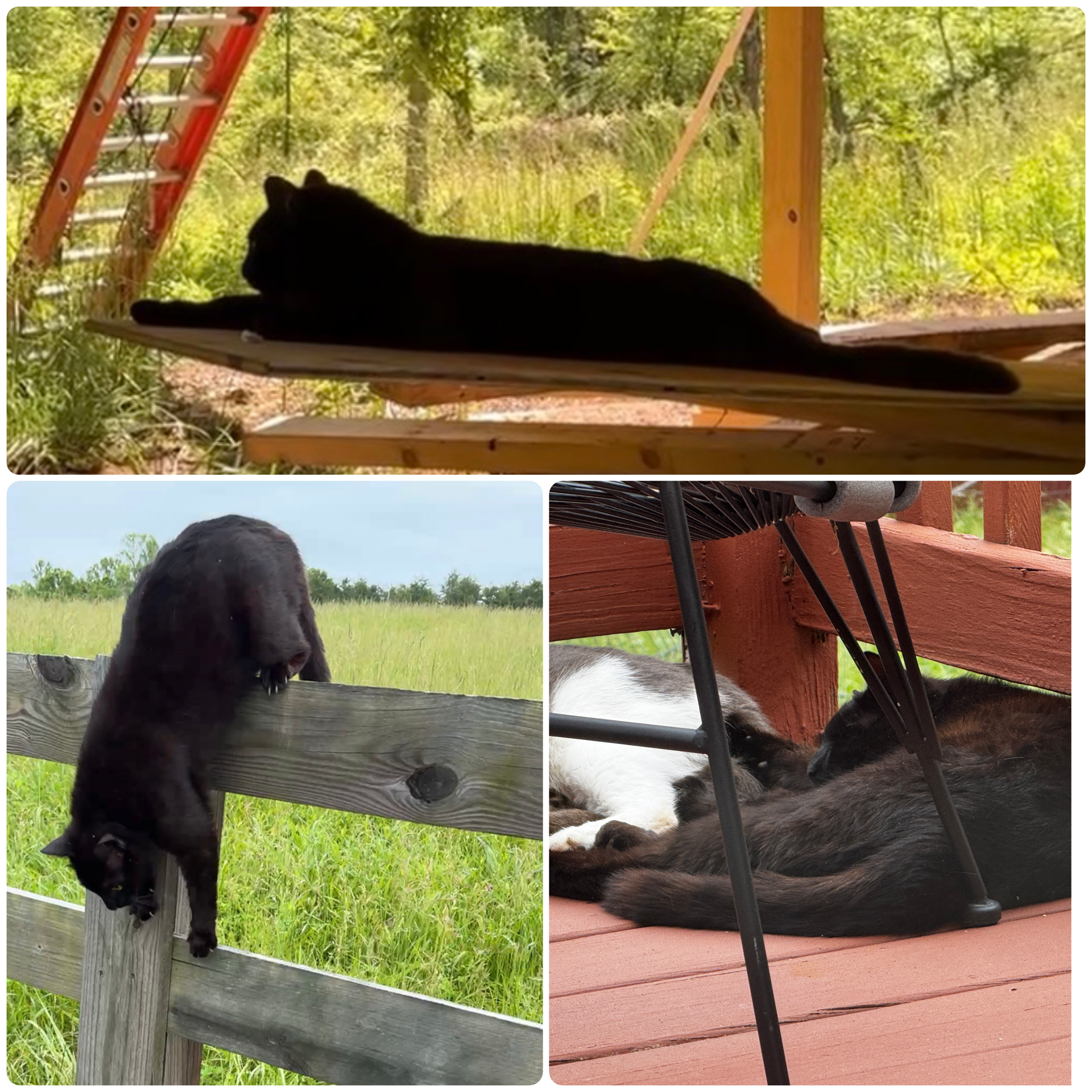
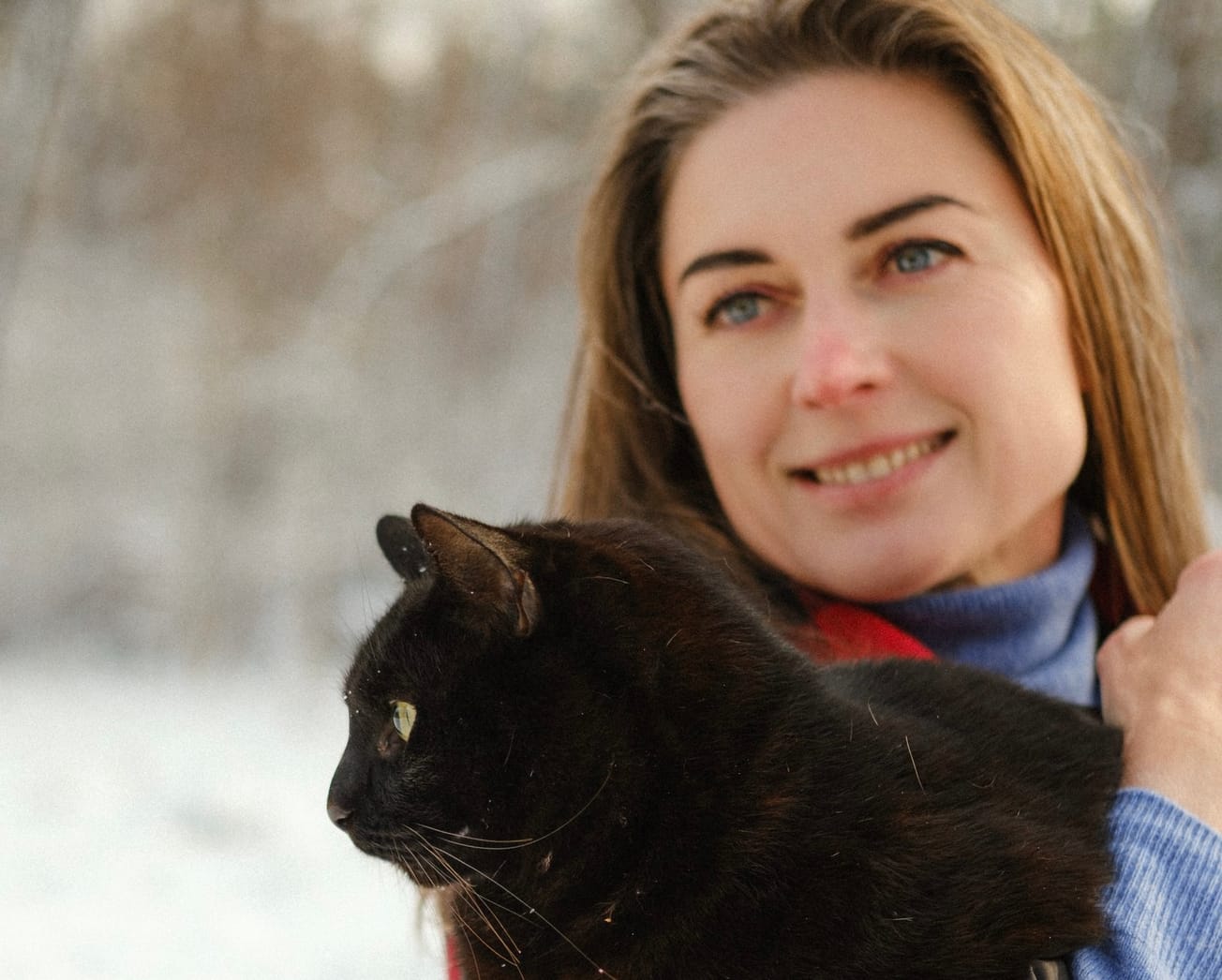
Another strange event: our black cat went on an adventure and forgot his way home. I posted in the local community and met so many amazing people who helped search the surrounding land — and I found him! He remembered me… barely. I brought him home, treated him for fleas and ticks, gave him vitamins, and his memory slowly started coming back. He was so thin and starving, and I still don’t understand what happened. How can a cat get lost in a well-known neighborhood — even if it’s wild nature?