farm - 3rd chicken surgery - preparation for the next month - avian flue alert - finished new coop - moving - light on audits month - finishing kitchen cabinets building
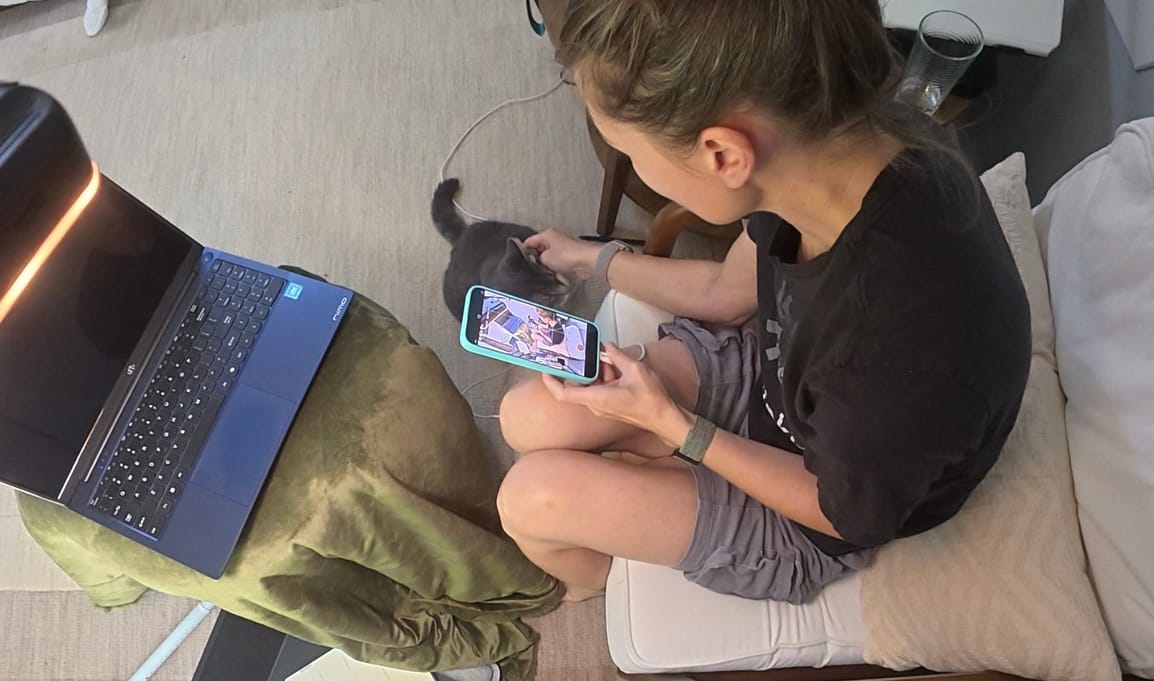
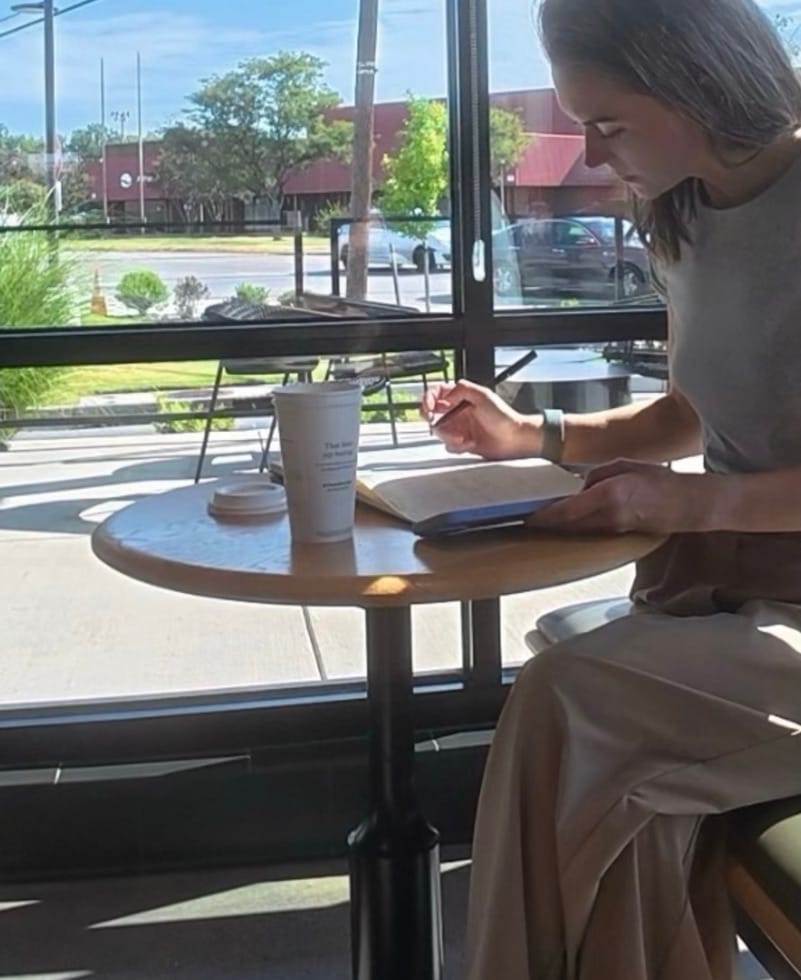
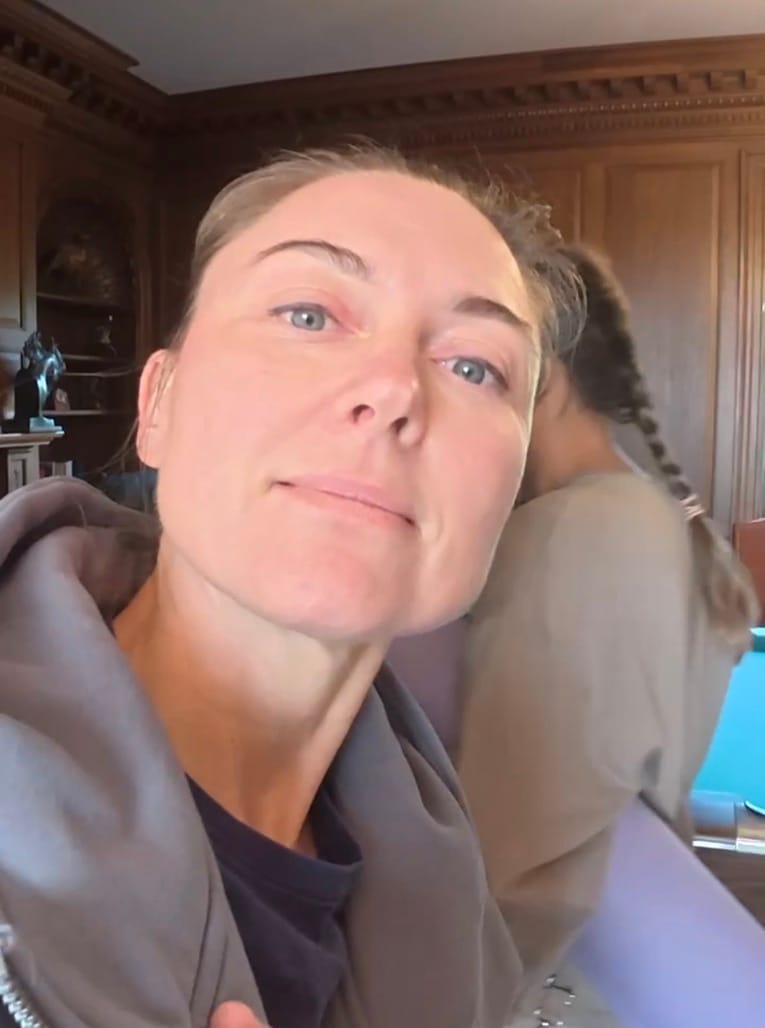
In September, I had only about 2/3 of my normal audit work hours, mainly because I blocked out one week for vacation. It was clearly marked as blocked in my calendar, even though I was already a subcontractor with no paid vacation. It was not paid week for a subcontractor, but I was so happy about that free week - and it was only relatively free, because I still had wall-to-wall booked audits to finish reporting on. When I work on the audit report, I can work in the chair like this:
I also had to be emotionally prepared for the October schedule, where I again have an overbooked calendar with wall-to-wall audits across multiple ISO standards. Compared to August, however, October included one on-site audit—an extremely important one—in California. My son and my husband were going with me. The plan was to fly out before the weekend, spend the weekend on a very intense schedule of sightseeing (mostly in Sequoia National Park and at Moro Rock), and then on Monday I would start work while they flew back home.
When you fly from the East Coast to the West Coast, you have to add an entire day to the schedule because of the time difference and the 5.5-hour flight. On top of that, we also have to drive to DC to get to the airport, which adds another unpredictable 2–4 hours. So, in October, our fully automated autonomous farm had to be tested to run for 4 days completely on its own—and 12 days without me 😭😭😭
Oh, wait… I am watching it all the time through sensors and CCTV cameras, so I’m kind of not leaving at all. After the finishing chicken coop, geese, ducks and goats palace, it's became not only automated and AI powered by also very Instagram/ Pinterest like place:
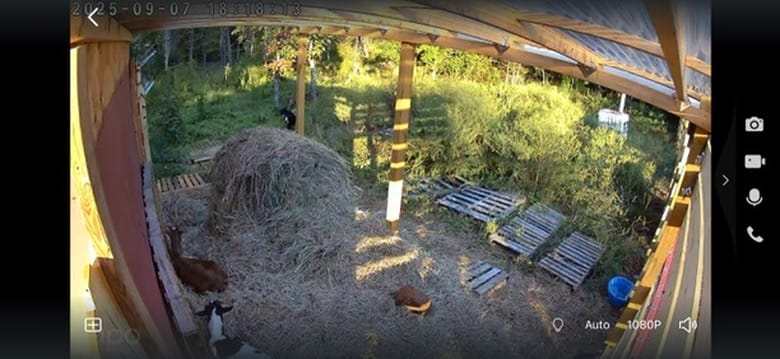
Even though this would happen only in October, I had to prepare for it in September. I checked the integrity of the goat fence (outer, first-row defense), engaged my blue team and red team after that, and patched all exposed vulnerabilities. I still have three more weeks to test it.
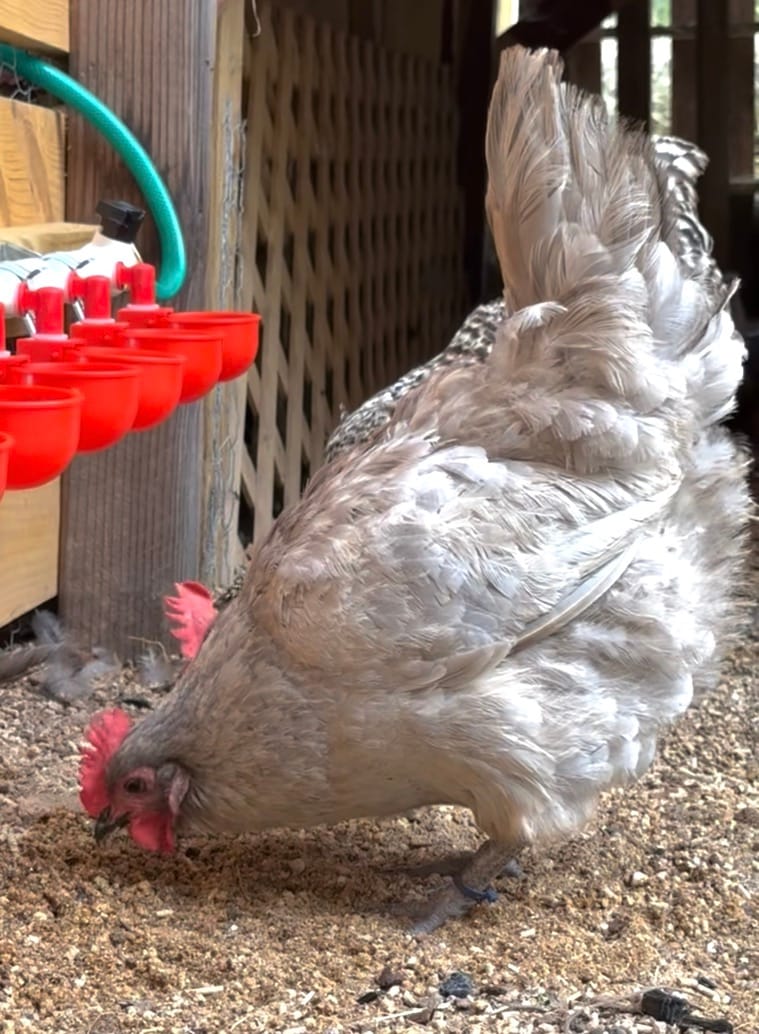
So September on the farm was spent testing autonomous operation and improving details. If someone ever colonizes Mars, I will be the only person who can give real data on an autonomous farm, including detailed DFMEA and PFMEA assessments 😂 Because I don't rely on "one-breed-two-years-one-feed' closed loop risk free system but rather try to predict and assess all risks.
In November 2024, I did calculations forecasting the number of eggs we would have in September 2025, depending on the breeds, their age, and the length of daylight. Interestingly enough, the forecast was very precise and matched my expectations for each month—but I only checked that in September and was pleasantly surprised.
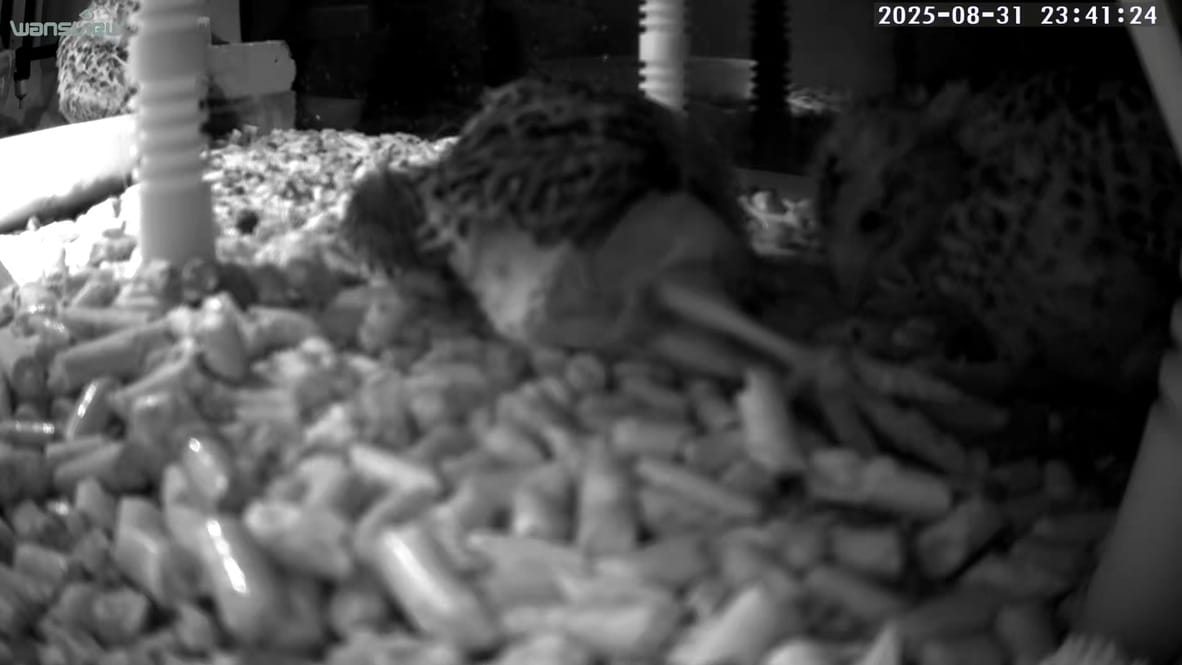
The quails were growing and scared me several times by sleeping on their sides like they were dead, but apparently it’s just a quail thing to sleep like that.
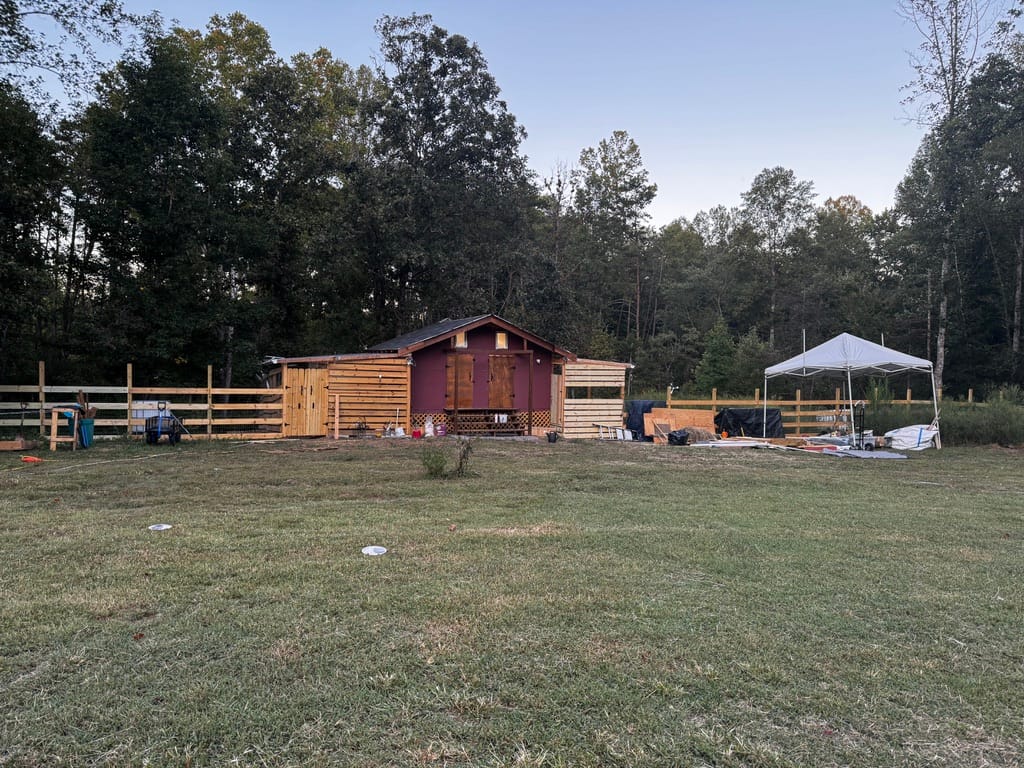
Progress on the new coop looked like this, and only by September 5th was I able to finish the fence, move the goats, and clear everything up. The cleaning part is the most annoying and time-consuming task, and I genuinely hate it. Also, no one does it except me (complaining!). Every time I need to work on something (like a fence), I have to clean up after previous processes—and most often not after my own work, but after someone else’s. If I have only two hours in a day, one hour and forty-five minutes can be spent just sorting dumped stuff and getting angry with every passing minute.
The first thing you learn on a farm is that the weakest part of all animals is their feet. That’s why I spent so much effort designing and building a very deep pool for the geese: when they sleep floating in water, it releases the load from their feet and allows them to grow and develop properly. The biggest problem with building anything is that there must be no screws, wires, nails, or sharp objects left on the ground. One scratch can get inflamed.
That’s why thorough cleaning after building is critical, any screw any wire, any sharp object can cause bumblefoot - serious staphylococcal infection, where infection progresses can past the initial scab (the "bumble") into deep, calcified bone or tendon issues—but it seems that only I understand this at times.
We had done two bumblefoot surgeries before—one on a duck and one on a chicken—but that was nothing compared to what I saw this time: two huge bulges piercing an Azure chicken’s feet and completely deforming them. I don’t believe in Epsom salt baths or topical treatments for bumblefoot. It’s a deep staphylococcal infection, highly resistant to treatment. In addition, chickens and ducks have very few capillaries in their feet, meaning you have to reach very high antibiotic concentrations for anything to work, if you administer antibiotics - the bird have to be in isolation for at least 2 months (1 month after finishing treatment to be able to do eggs withdrawal) and this alone such a huge stress for a bird. Surgery is the only real option, if it's done right - the recovery take about 2-3 weeks and only once topical antibiotics needed.
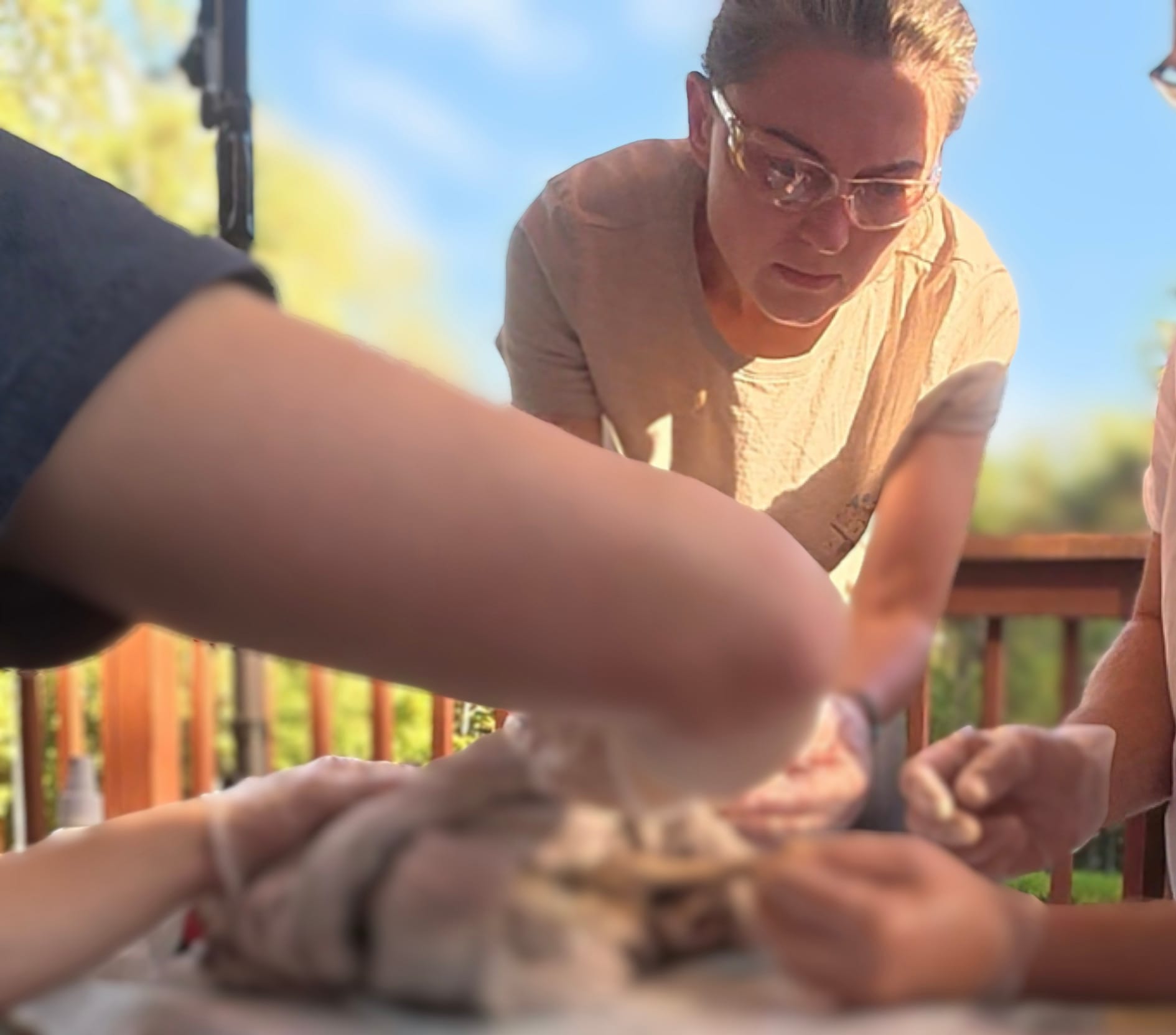
There are no decent videos explaining this properly, so I went back to basic anatomy principles and developed the surgical process the same way it’s done in human hospitals: step by steps with different conditions checks. I prepared everything: lidocaine, sterile surgical tools, stitches, and cleaning syringes. Since we had already done this twice, it was much easier this time, and I even managed to record the entire process. We have people who excel in different parts of the process: our son does stitches as a pro (don't ask why). I also collected all recovery data. Now, in December, all three patients—one from July, one from August, and this one from September—are healthy and sound, with no movement issues or foot problems, and they are laying eggs, which is an unmistakable sign of good health, especially in winter.
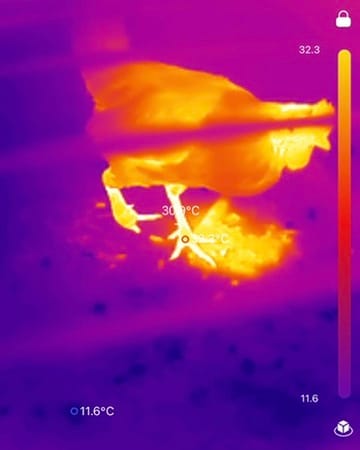
But I still get extremely annoyed if I see any screws or nails on the ground where chickens or goats are running.
Another thing we do regularly is disinfecting the coop with ozone (three times more powerful than bleach but it has to be done properly to be effective). I also perform fecal egg count tests and FAMACHA tests for goats and record all results. I honestly don’t understand why people give animals over-the-counter drugs “just in case” without any evidence of parasites or infection and without any consulation with a veterinarian. You should be afraid of superbugs, not parasites.
Anyway…
I continued ID mapping of plants and animals. Every time I find and identify something, I put it on the map and in the calendar. Like this little guy:
five-lined skinks (genus Plestiodon).
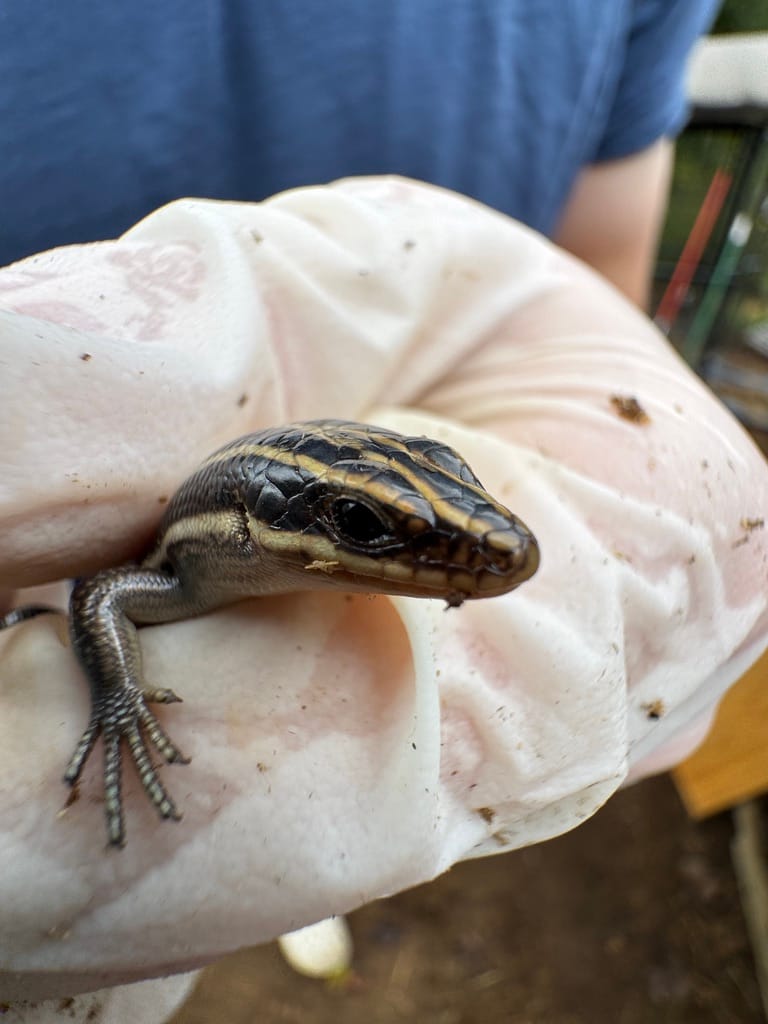
I got this idea from my grandfather, who meticulously wrote everything down and analyzed the data. But after watching the Amazon movie The Map of Tiny Perfect Things, I realized I should put it on a map and in a calendar as well. Yes, I can get insights for audits from sci-fi movies or even kids’ cartoons and for the farm processes improvements too.
September came to an end with an upcoming, insanely scheduled October, where we also have to leave all 64 farm animals—and god knows how many wild animals—alone for four days.
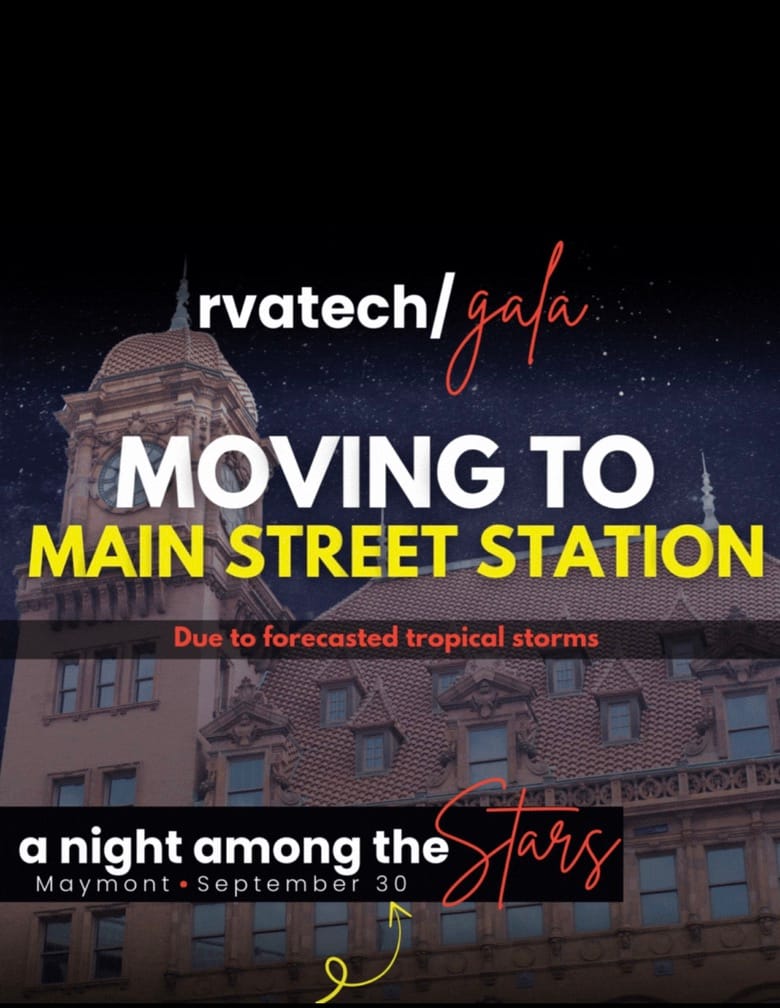
I did a lot of amazing networking events attending like RVATech Gala in absolutely iconic place where I always wanted to come and see the inside architecture:
Despite all work and audits, I still was able to find time to meet with friends and go to yoga to the local historical manor - this is the ideal month I would want to have as my work / life balance example!
I really hope I will have enough hosting storage space to post all those photos 🌝 I am trying to be as economical as possible but illustrate all events for the next year for myself mostly.