Okay, long post about video camera monitoring.
I’ve said this before, and I’ll probably say it another hundred times: many companies, manufacturing facilities, and security teams using closed-circuit television (CCTV) cameras have absolutely no idea why they have them or how to use them efficiently:
They install cameras. They record continuously for security monitoring or for the operation manufacturing process check up, but in fact... They just store enormous amounts of video with no purpose adding huge impact of digital load on the environment.
And the strategy is basically: “If something happens, we’ll go back and look at the recording.” That is medieval-era video surveillance.
Because after something happens, you need to know which camera to check, what time to check, what behavior you’re looking for, and how to find two important seconds buried inside hundreds or thousands of hours of continuous video.
Unless, of course, you employ a highly paid human whose exciting career consists of watching 24 hours of footage from every camera every day. Three highly paid employees to only ONE camera (3 8 hrs shift in 24 hrs)
And even that person needs to know what they are looking for. Because it's impossible to hold focus for 24 hrs of continues monitoring.
So, to make it very simple: If you use CCTV cameras but don’t know what you are watching for, the cameras do almost nothing. They are USELESS
👽Not for manufacturing operations.
👽Not for physical security.
👽Not for understanding abnormal animal or human behavior.
👽Not for improving processes.
You basically created a very expensive archive of things that already happened.
How do I know?
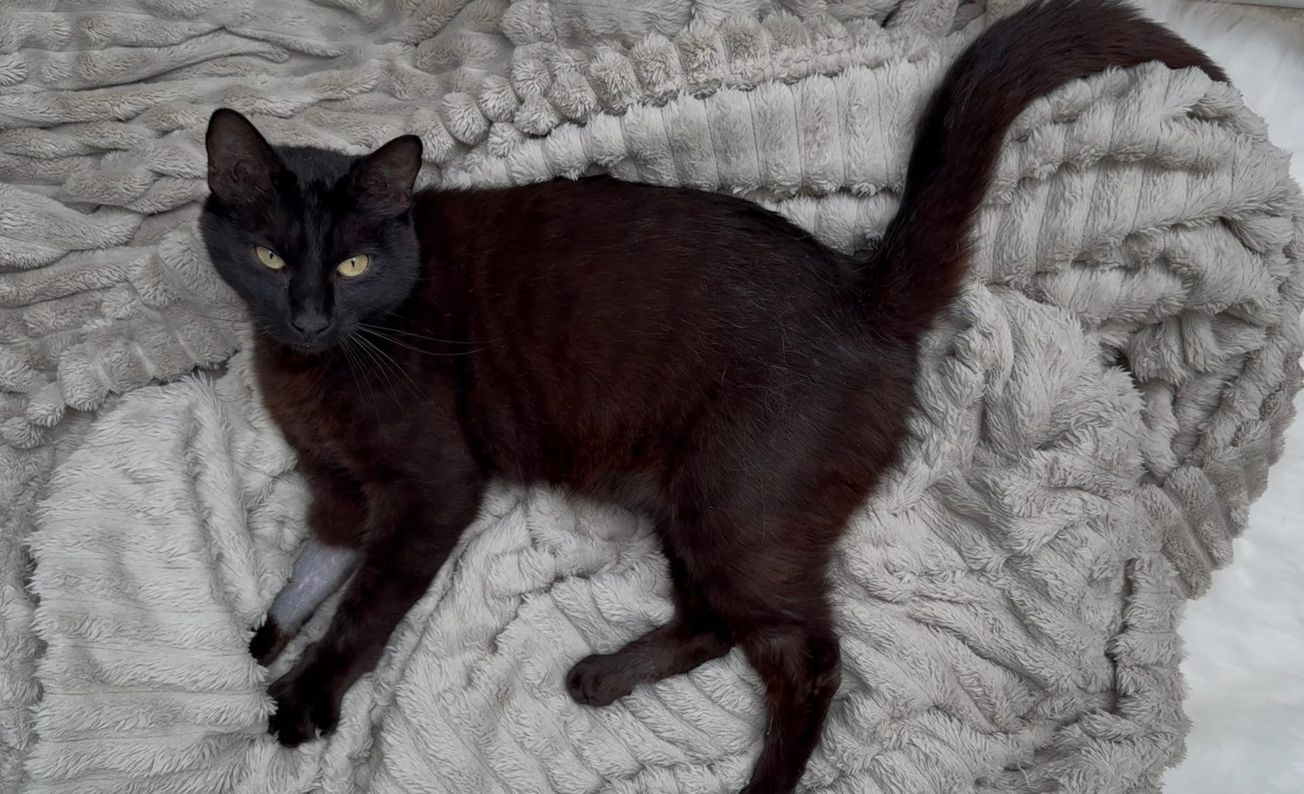
I currently have 38 modern, artificial intelligence-assisted, motion-tracking cameras watching my chickens, geese, cats, livestock areas, and wild animals around the farm. Why?
Not because I particularly enjoy producing Big Brother: Chicken Edition. (Okay-okay... I do sometimes. Yes, I am addicted - It's my favorite TV channel)
But also - I’m studying their behavior.
I’m learning how my animals interact with each other, how they use the equipment I build for them, where the equipment fails, what creates conflict, what attracts predators, what prevents predators from approaching, and what I can change to make the entire system safer and easier to maintain.
We haven’t lost a single chicken to a wild predator in approximately a year and a half. The last animal we lost was an old, sick duck when I was still learning. And this is not because we don’t have predators.
We have foxes. We have raccoons. We have snakes. We have plenty of wildlife living around the same property as chickens, geese, quails, goats, and cats.
The difference is that I study their behavior. And modern AI tracking cameras make that possible.
This is also where I learned something surprisingly relevant to industrial and security environments: camera technology has changed dramatically in the last 3-5 years (hardware changes) and in just last 6 months (software changes).
Different cameras are useful for different events. Different hardware detects different things. Motion detection, object recognition, artificial intelligence tracking, event triggering, zones, sensitivity, recording logic, and software analysis behave differently depending on the equipment and configuration. And yes - you read it right - some of this technology has changed significantly even within the last six months!
If your knowledge is based on the previous generation of artificial intelligence tracking, you may not even realize what the newest generation can do.
The possibilities are enormous and not only for physical security or surveillance (I don't like that word and technology are harmful for a bad cause and useless for a good cause)
So the AI motion tracking video cameras are not only for information security and intellectual property protection. But for manufacturing processes, equipment interaction, operational research, animal behavior research, agriculture, and environmental monitoring. Because here is another important lesson from watching animals.
Animals behave differently when humans are present
Wild animals behave differently when livestock are present.
Livestock behave differently depending on which other animals are nearby.
My presence itself changes any experiment significantly!
So if I want to understand what is actually happening, I need to observe the system without standing in the middle of it. Then I can change one or two variables and watch again. For example,
☑️ Move equipment.
☑️ Change access.
☑️ Change process or sequence of steps.
☑️ Change trigger timing.
☑️ Change food placement.
☑️ Change lighting (very important part!)
☑️ Change barriers.
Then compare the behavior. In that case my cameras stop being recording devices and become quality and safety measurement instruments. I only have to review 2-3 events for each 24 hrs which takes only 3-5 minutes. And THAT is the part I think many companies still completely miss.
A camera should not exist merely to answer: “Who did it?” after something has already gone wrong. A properly designed monitoring system should help you understand:
What is happening? What is normal? What is changing? What happens before the incident? What conditions create the behavior? And what can we change so the incident doesn’t happen at all? So you can design PREVENTIVE measures that will be secure BY DESIGN.