The important thing I realized only in my 50+ (better late than never) is that memories and experiences are more important than plans. This doesn’t mean you have to live in the past, going over the same moments again and again — not at all. It means you have to check the mental pictures of all the points that were significant for you when you planned or anticipated them but later forgot about.
It means collecting the data of how you felt when you wanted something, when you did it, when you got it, and how you felt about it a week and a month later. Tracking and writing down your thoughts and feelings is your most important data — not putting someone else’s birthdays or future plans into a calendar.
I realized that after going through the Ali's productivity workshop at the ebginning of the year 3 years ago (or 4 already?) https://aliabdaal.com/
He does it every year, it's free and I HIGHLY recommend it!
Remember all your achievements and failures and how you felt about both. Maybe those achievements weren’t that important, and maybe those failures were, in fact, valuable knowledge — or even a win.
That’s why I started writing my yearly review three years ago: to overview my thoughts and my path, what I did during the year, and based on that decide what I want for the next year. That’s why this year’s review is much longer and more detailed — I now understand how it helped me two years ago and last year.
It’s way more important than writing down wishes, plans, or goals for the next year, especially the ones that don’t depend on your own efforts or that come from outside. Those are not your true desires; they are templates or social clichés that look shiny and appealing.
But when you try to remember how you felt about different moments in life and different achievements this year, it opens your eyes to your true happiness and your true desires, which can significantly change your wish list or vision board for the next year.
Look at this as tiny experiments you set up. Some worked, some didn’t. But if the only thing you remember from the year is global news or internet memes — that is a big problem.
If this insight hits you in the soul like it did for me the first time I understood it — or if you understand what I’m saying and want to restore your year in your memory piece by piece, collecting precious moments and experiences, reflecting and recognizing what was truly enjoyable and important for you and what wasn’t and only seemed so at the beginning — then my goal is accomplished.
You don’t have to do this in December. Both previous years I did it in January. Each time, after Ali Abdaal’s live productivity workshop in January, I realized that looking back at what I achieved during the year was really necessary, but that I needed to go deeper and look more closely. So you can do it in January or February too.
For me, a huge achievement this year was that my workload became manageable by December, so I could reflect on the year around Christmas and now make plans and wishes for the next year based on that knowledge.
It’s also a very useful and therapeutic exercise to see how much you achieved this year and how much valuable experience you gained, becoming wiser and more resilient and learning how to enjoy precious moments. Don't compare yourself with others - every your biggest achievement sometimes will not be understood by others at all.
Here is my overview of the year, month by month, and the main thing I remember from each month (I didn't wanted to spam your mail box with those emails because I knew I will post them to one post as a summary). This my year review will show you true real me more than any of my interviews or posts. In each post there is also cross links to my most interesting or useful posts.
January
Reflecting on my 2024 goals and how they went, while at the same time feeling that I was moving by inertia along exactly the same path, gave me very mixed feelings and a strong desire to find a way to change it — somehow. Jumping ahead, I only managed to do it by November 🤣 But I started to realize what needed to be changed in this year and why it's should be the highest priority for me.
 Elena Bobkova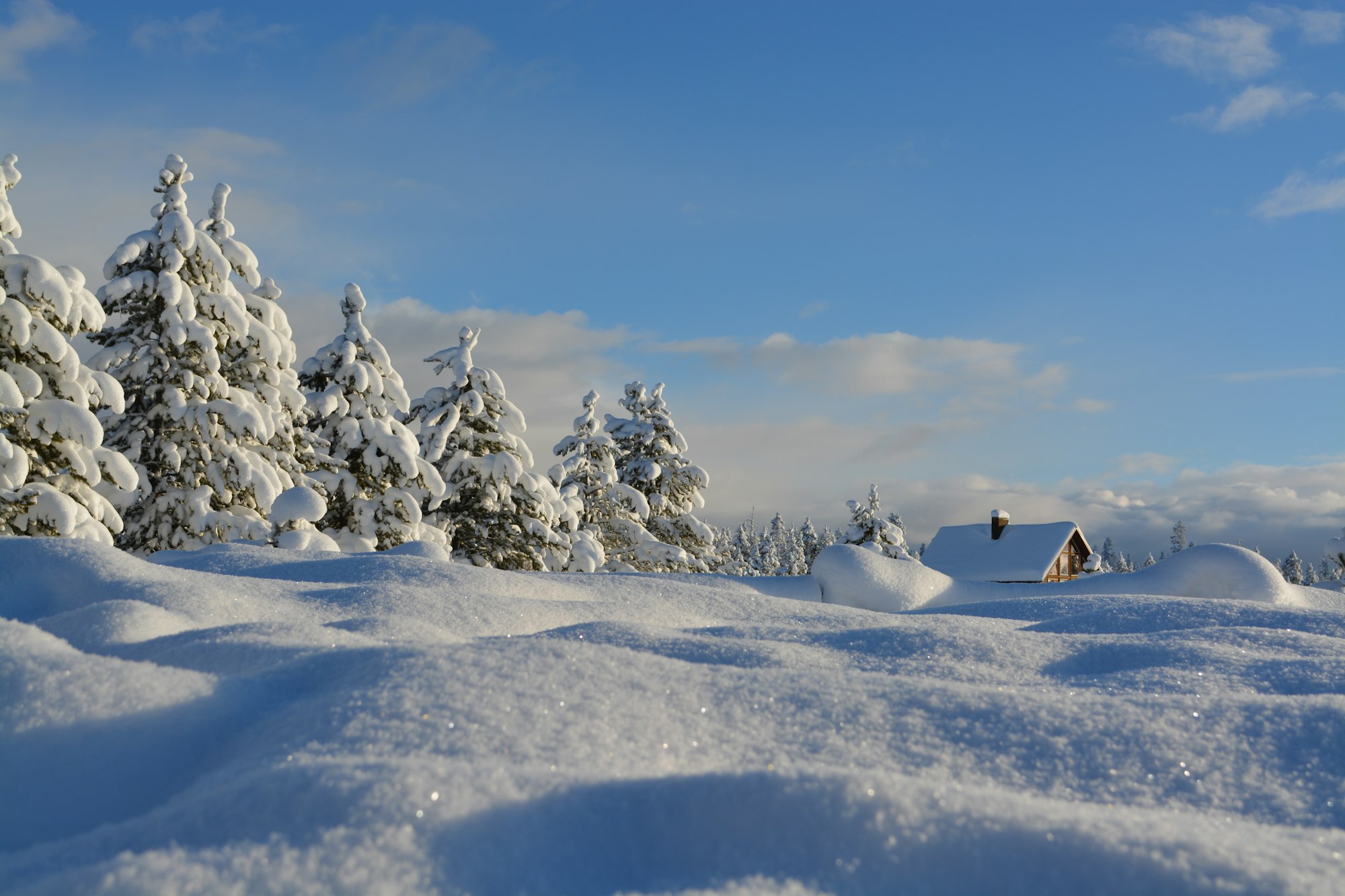
February
Similar to January: I was moving at high speed like a train on rails, but really needed to choose a different route because I could see my own direction, and it wasn’t where the train was going. This month I realized that I don’t like being a manager — or rather, that managing people and managing projects and processes are two separate full-time jobs, and I was doing both in parallel on top of audits. I also realized that farm ecosystem design, teaching and lecturing, designing courses, and writing curricula give me far more joy and satisfaction than audits or management responsibilities.
 Elena Bobkova
March
I made my third attempt to talk about my vision of my work as a permanent employee with my managers, but quickly realized that I had way too many managers to resolve this problem and too many roles, each with different managers and expectations.
 Elena Bobkova
This month was huge for public speaking, lectures, and webinars, and each one went better than the previous one. After each talk or lecture, I received either an offer or another training invitation. My company generated more leads from my speaking, with the company logo on the presentations, than from any other trade shows or conferences — and that says something.
I built kitchen cabinets — one unfinished, broken cabinet literally cost $5 — and while building, I was thinking and processing data about how to collect and process data for the farm 😂
April
Even though the train was still going in the same 2024 direction and didn’t want to stop or change course, I had a glimpse of how it would feel to have fewer overwhelming job responsibilities, just one role, and a sense of relief. I felt so much hope — it was exactly what I wanted; I just needed to understand how to get there.
A new habit I was trying to implement — writing daily reflections in a 5-year journal — helped me immensely to understand my processes, feelings, desires, and emotions. By that point, I hadn’t missed a single day. We had the new crazy but exciting addition to the farm.
 Elena Bobkova
A lot of administrative work for social media accounts and taxes/IRS paperwork spoiled the effect of “only one job needs to be done,” but I still tested the theory of how it would feel — and it turned out I liked it.
May
The same workload continued, and this was the month when I realized it would not get easier anytime soon — or ever. I didn’t want more money, I didn’t want promotions, I was already on top. I wanted less work and a more meaningful life. I was at the point where I was ready to quit in one day and just shut the door behind me.
I desperately needed time to think about what to do. If I hadn’t been writing my reflections, thoughts, and analysis down, I would have just kept moving forward, doing everything asked of me, feeling happy and satisfied with constant praise — “you are the best,” “we really liked how you did it” — without ever stopping to question what I was doing or where I was going. Like working on a train whose direction you don’t control, without time to check other routes or see when the next stop might be.
In my long monthly review (yes, what you just read I call “short” 🤣), I explained my coop and process design thinking, which I believe is far more effective than just saving posts and screenshots and never returning to them.
 Elena Bobkova
June
A very tough and strange month. I was traveling the entire time, watching beautiful farm weather through CCTV cameras, working 10–12 hours a day in different hotels and on the road. At the same time, I was watching photos and videos my mom sent from my childhood town. I felt like I was in three places at once. This was the turning point that led to the tough decision to quit my job — I just needed to figure out how.
 Elena Bobkova
July
Full of DIY, remote audits, journaling, reflections, chess playing, and puzzle solving — but now not with the question “what do I want to do with my life?” but “how do I want to do it?” A bear on the farm and the failed Offspring concert were also highlights.
 Elena Bobkova
August
I left my job, and it was the first month of freelancing. My schedule was still the same as before. Was it worth it? You’ll have to read the post 😂
But notice how my monthly reflections became much longer and more detailed, especially about farm DIY projects. That meant I finally had at least two free hours a day and, sometimes, weekends to work on projects outside of work — a huge improvement.
 Elena Bobkova
September
Easy on audits, but a lot of work followed me from August, plus preparation for the overbooked October schedule and the business trip to California. Just looking at the October's calendar was scary. But in September all audits were remote, though, and I got a lot of farm work done (details and photos in the post).
 Elena Bobkova
October
Sequoia National Park, breathtaking views, an unforgettable journey, and a test of our autonomous, fully automated, AI-powered farm infrastructure. How did it go? Read the post. October was also the last month with that crazy schedule, though I still had to finish October’s work in November.
 Elena Bobkova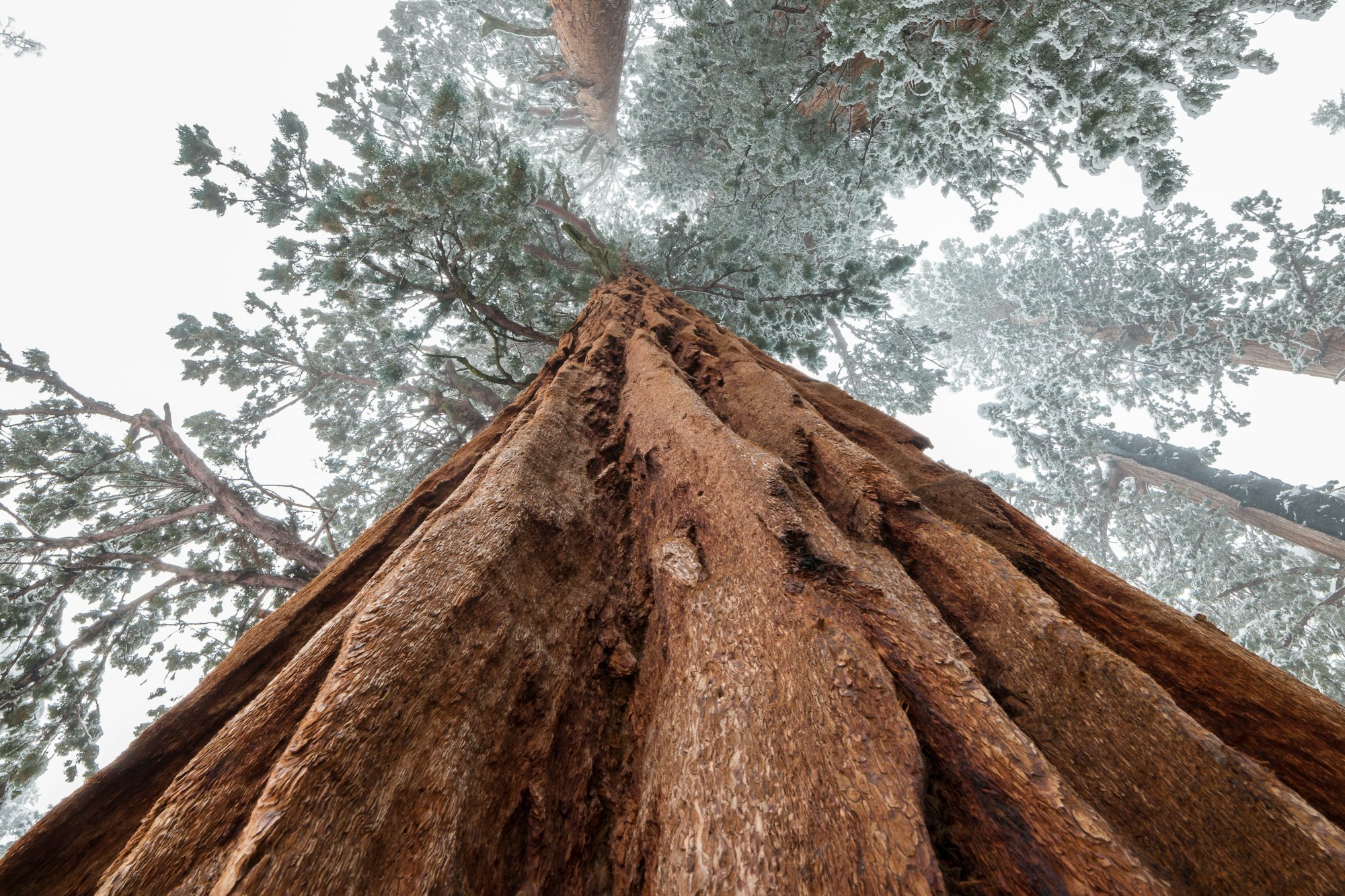
November
Freezing temperatures and a snowstorm on the farm. Last year, our chickens stopped laying in October and only started again in February. From November, they were all sick, coughing, and in isolation — every single one — with enormous effort, endless cleaning, and zero eggs for 2.5 months. Curious whether this year was the same and whether our new automated, well-thought-out design paid off? Read the post.
I haven’t published the December review yet, even though I partially wrote it (mostly for my own reflections), to be able to create proper intentions and goals for the next year — and that’s why I’m sharing this. Maybe you’ll want to do the same.
 Elena Bobkova
⸻
Overall, the main learning and wisdom from this year is the new habit of daily journaling and recognaising my achievements and my failures.
It’s not just writing down what I did during the day or how the day went; it’s writing down my thoughts, reflections, farm data, and my thoughts about that data. I learned how to do this throughout the year, understanding what works for me and what is unnecessary over-complication. I needed it as useful data collection for analysis and improvement — but it’s also reflections on data.

These reflections — thinking about thinking, meta-thinking, looking back, and analyzing our internal processes — are what make us human. It’s the highest point of our intelligence, what differentiates us from artificial intelligence and what cannot be replaced by any machine learning. This is the apex of our evolutionary moment, and I’m not going to lose it. I’m going to take as much advantage of it as I possibly can.
With all that poetic and philosophical language aside, the core routine is simple discipline:
• daily reflection on your day
• monthly review of saved screenshots, downloaded files, books, and articles — sorting them and writing why you saved them
• deciding whether an idea is worth developing or researching further
• identifying what data you need to collect, including thoughts and observations, and what it gives you
All these records, reflections, and sorted data gave me so much this year. I only regret that I didn’t start earlier.
When I was 20, I interviewed my grandparents for my genealogy research. They wrote long letters that I now reread many times, trying to find answers between the lines: who they were, what they thought, what they learned through the years. Intuitively, I think I was searching for answers for myself.
Only now have I realized that I need to rethink what intelligence really is.
It’s not eidetic memory. It’s not memorizing hundreds of useless facts and numbers. It’s not the sheer volume of knowledge.
It’s our ability to remember what is important to us — what connects our history, interests, emotions, and desires. That’s what we’re losing because it takes effort to notice it, mark it, and write it down.